
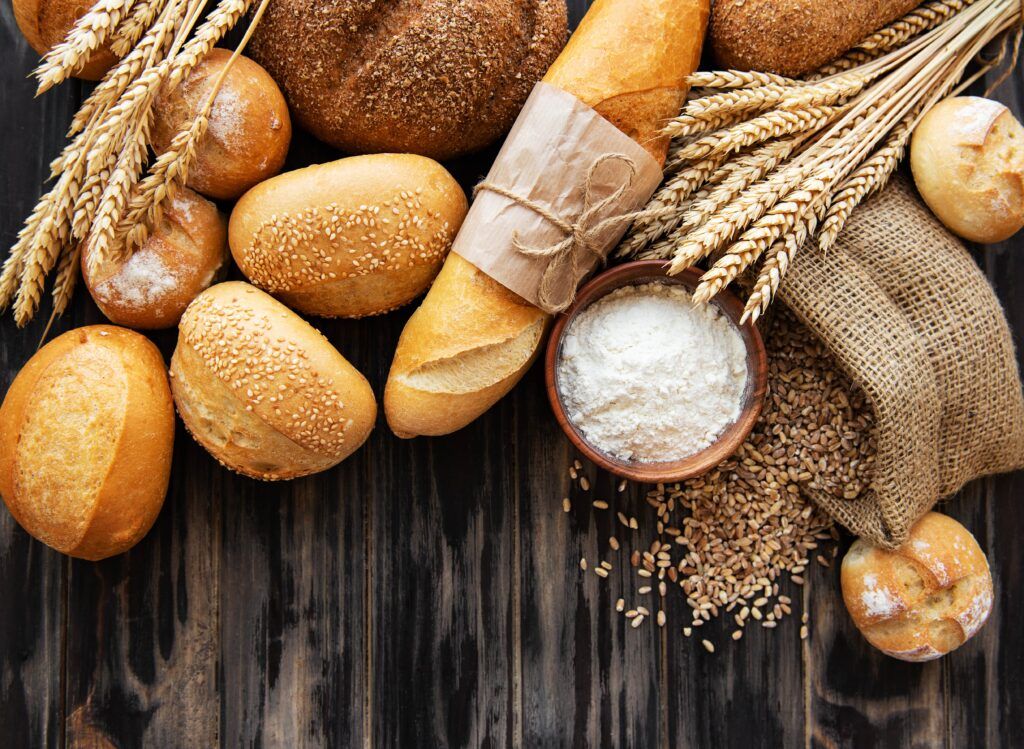
Gluten-free foods are becoming increasingly common. Whether in the supermarket or in restaurants, gluten-free foods are advertised everywhere, and the selection is constantly expanding.
Gluten is found in both wheat and other grains and makes up a large part of the total protein content. Colloquially, it refers to various wheat proteins that are grouped together under the term gluten.
In the case of a gluten intolerance (celiac disease), the body cannot properly digest gluten, leading to symptoms such as abdominal pain, diarrhea, or vomiting when consuming gluten-containing foods. To avoid these symptoms, people with gluten intolerance should avoid wheat products, as well as barley, oats, spelt, and rye. However, gluten is also present in many different foods where one would not expect grains at first glance, such as French fries, chips, fried foods, beer, etc.
To make your daily life easier with gluten intolerance, we have provided 8 tips for your diet.
- Get tested: If you suspect you have gluten intolerance, definitely have it checked by a doctor. The symptoms of gluten intolerance can also indicate other diseases.
- Look more closely in the supermarket: There are now many foods that are produced gluten-free, usually in separate aisles that are clearly marked.
- Ingredient lists can help you: On many food packages where gluten is not necessarily expected as an ingredient, you will often find a note at the end of the ingredient list stating that this product may contain "traces of gluten."
- Labels for a quick overview: Many products that contain no gluten and also no traces of gluten indicate this with a label, usually found on the back.
- Cook predominantly at home: At home, you know exactly which foods and products you use for cooking. This can be different in restaurants, as various spices may contain gluten. There is always a risk of consuming gluten in restaurants, so it's best to ask in advance.
- Clean dishes: Depending on the degree of intolerance, even small traces of gluten can trigger symptoms. Make sure to use your own bread knife and your own plate that has not previously held gluten-containing foods.
- Be patient: It will certainly take some time to get used to all the foods you are now consuming. However, making exceptions here and there can lead to serious health issues.
- Seek support: You do not have to deal with your intolerance alone. Inform your friends and family so they can be considerate and assist you in choosing foods or restaurants.
Share