Buy Glucose & Dextrose – Quick Energy with Tolerable Sweetness
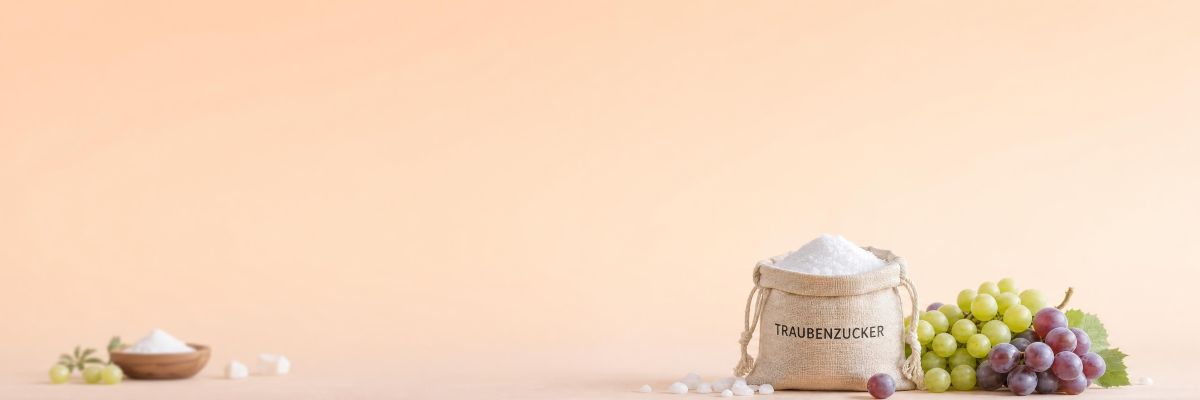
Glucose (also known as dextrose) belongs to the group of carbohydrates and is derived from starch. It is an important nutrient for the body and contains fewer calories than table sugar. Especially for people with fructose intolerance, glucose is interesting: Unlike table sugar, it contains no fructose and is therefore often used to sweeten low-fructose foods.
Tolerance 🤗
Glucose goes directly into the bloodstream and is more easily digestible than conventional industrial sugar. This is why athletes, students, and professionals often turn to glucose when quick energy is needed – for example, before training or during exam periods.
Recommendation ✅
Glucose is excellent as a quick energy boost but should be consumed in moderation because: Too much glucose can lead to weight gain, harm the pancreas, and increase the risk of diabetes. As with any type of sugar, it should be dosed consciously and enjoyed for what it is: a targeted energy supplier.
Taste 😋
Similar to conventional table sugar, the taste of glucose is very sweet – clear, clean, and without disturbing aftertastes. This makes it a straightforward sweetener for many applications.
Sweetness 💪🏻
Glucose has about 60–75% of the sweetness of table sugar. Therefore, you need a bit more glucose than sugar for the same level of sweetness.
Application 🧑🏻🍳
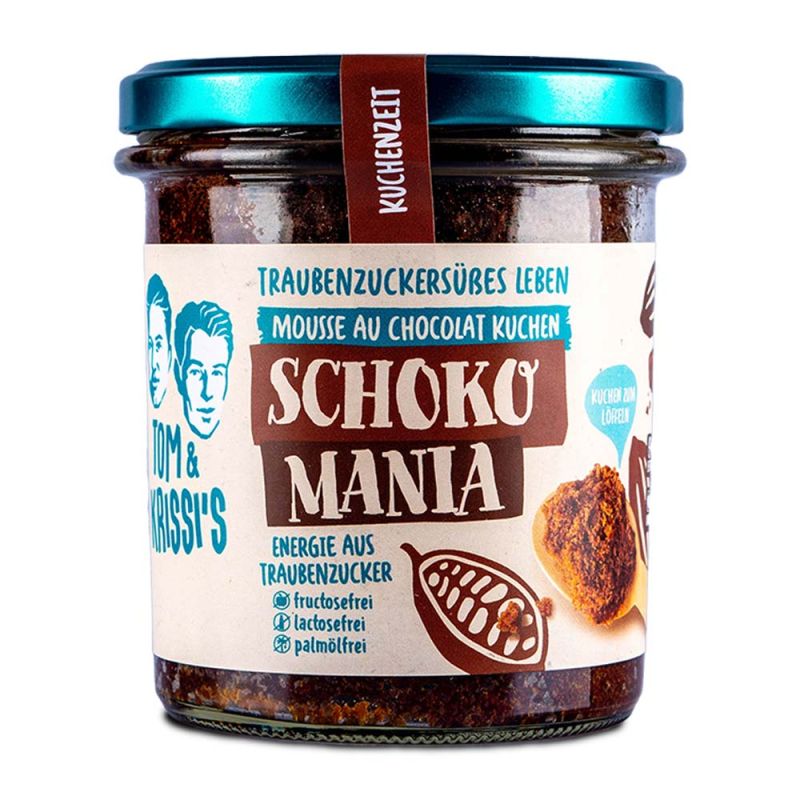
Glucose naturally occurs in many foods – for example, in bread, rice, fruits, honey, pasta, potatoes, and alcoholic beverages. As a sweetener, it is also found in chocolate, spreads, and candies for a low-fructose diet. You can find corresponding products in our category Low-Fructose Foods – for example, chocolate bars sweetened with glucose. An overview of all sweetening alternatives and their properties is provided in our category Sugar Substitutes.